
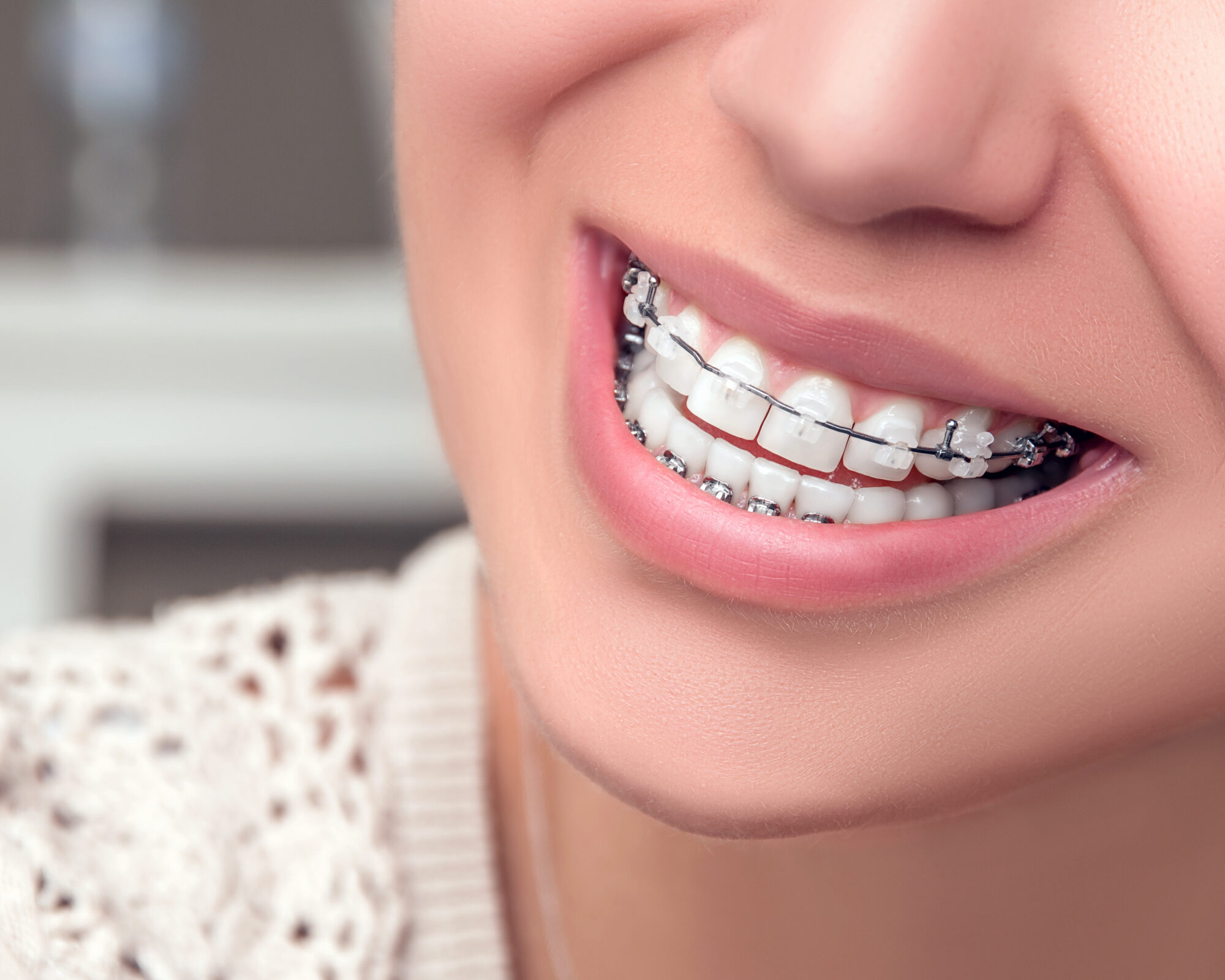
Parents are often surprised to hear this, but the American Association of Orthodontists recommends that every child have an orthodontic check-up no later than age 7. So if you’ve been asking, “when should my child see an orthodontist?”, the answer is probably sooner than you think.
That doesn’t mean your seven-year-old needs braces. Most don’t. It means an orthodontist can spot developing problems while your child is still growing, which is when many issues are easiest to guide.
Why Age 7?
By around age 7, most children have their first adult molars and a mix of baby and permanent teeth. That gives an orthodontist enough information to evaluate:
- How the upper and lower jaws are growing and fitting together
- Whether there’s enough room for incoming adult teeth
- Crossbites, open bites, deep bites and underbites
- Habits like thumb-sucking or tongue thrusting that affect the bite
- Teeth that are coming in out of order or not at all
Catching these early means treatment, if it’s needed at all, can often be shorter and simpler later on.
What Happens at an Early Orthodontic Evaluation?
An early evaluation is quick and comfortable. Dr. Riley Dyer looks at your child’s teeth, bite and jaw growth, may take photos or images, and then talks with you about what he sees. There are three common outcomes:
- Everything looks on track. We’ll simply check back as your child grows.
- Something to watch. We’ll monitor growth and tooth eruption over time, with no treatment yet.
- Early treatment is helpful. Sometimes a short phase of care, called Phase 1 or interceptive orthodontics, can correct a problem now and prevent bigger corrections later.
Signs Your Child May Benefit From an Earlier Visit
You don’t have to wait until age 7 if you notice:
- Early or late loss of baby teeth
- Difficulty chewing or biting
- Mouth breathing or snoring
- Thumb or finger sucking after age 5
- Crowded, misplaced or blocked-out teeth
- Jaws that shift, click or make sounds
- Front teeth that don’t meet, or top teeth that sit behind the bottom teeth
- Jaws or a face that look out of proportion
Does an Early Visit Mean Earlier Braces?
Not usually. For most children, the right answer is to wait and watch. The goal of an early check is good timing, not early treatment. When treatment is recommended, it’s because acting during growth offers a real advantage, such as guiding jaw growth or making space for adult teeth.
Orthodontics Inside a Pediatric Practice
At Dentists 4 Children, orthodontics happens under the same roof as your child’s pediatric dental care. Dr. Dyer works alongside Dr. Heather Thornton, so your child’s dentist and orthodontist share the same records and the same goal. Learn more about children’s orthodontics and the types of braces for kids we offer.
The Bottom Line
When should my child see an orthodontist? Plan on a check by age 7, or earlier if you notice any of the signs above. An evaluation gives you answers, a timeline and peace of mind, and at our office it’s free.